
Do you know what you are allowed to claim when you use your car for work?
Check out a few frequently asked questions and answers here.



Do you know what you are allowed to claim when you use your car for work?
Check out a few frequently asked questions and answers here.

The ATO is implementing the new Single Touch Payroll system so you can have quick access to your employee pay information.

The ATO is introducing a new system – Single Touch Payroll – to help employers report their employee payment information more easily and efficiently.
Single Touch Payroll is a new system for employers to conveniently report their employee wages, withholding and superannuation information at the time when they prepare payroll on their accounting or payroll software.

Employers are required to complete a TFN Declaration for all new employees. Once completed the form should be sent to the ATO within 14 days of the employee’s start date.
The ATO have developed a fillable TFN declaration form which is available at http://www.ato.gov.au/TFNdec
Rather than calling the ATO to order the form and wait for it to be mailed to you, you can now simply download it. Even your new employee can download the form, fill it in on the screen and then send it to you to complete. Once complete, print it out, have it signed, and send the original copy to the ATO using the address on the form.
The TFN Declaration can be filed through Xero without the need to mail it to the ATO, if you are using Xero to run your payroll.
Remember to keep a copy for your files.
Contact us if you need help
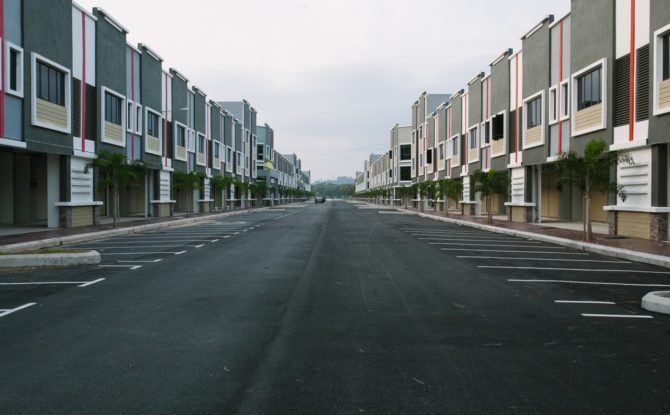
The Bill has passed and received Royal Assent on 30 November 2017 for the Commissioner of Taxation to charge a vacancy fee to foreign residents owning an investment property in Australia that is not occupied. This has been popularly called a “ghost tax”.
The fee only applies to non-Australian tax residents who own a residential property that was “vacant” for more than 183 days in a financial year.
A residential property is “occupied” (ie not “vacant”) when:
(a) the owner or his/her relatives genuinely lives in the property,
(b) the property is under a lease or licence for a minimum of 30 days, or
(c) the property is genuinely available for lease or licence for a minimum of 30 days.
If the property is classed as “vacant” (ie not “occupied”), then the owner of the property will need to file a “Vacancy fee return” to the Commissioner of Taxation and pay the vacancy tax.


